The Art of Brazilian Rhinoplasty — Natural, Refined, You.
Why Brazilian Rhinoplasty?
Globally, the "Brazilian style" is synonymous with an obsession for detail and a rejection of the "cookie-cutter" look. It’s a philosophy that prioritizes the unique character of your face over standardized beauty trends. Now, Dr. João Daniel brings this world-renowned expertise to Lithuania, offering a fresh perspective for patients who want results that look-and feel-entirely authentic.
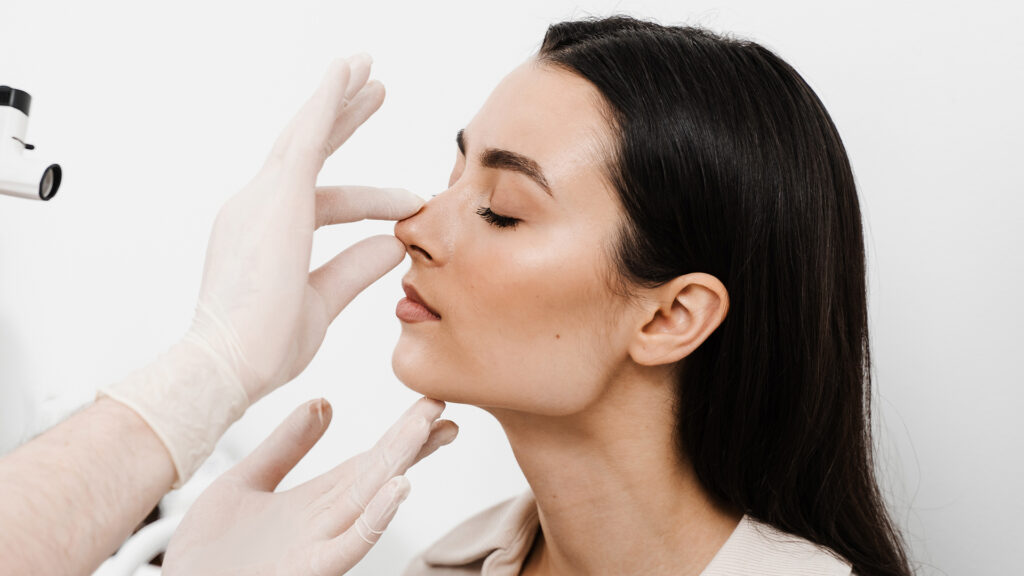
A Personal Journey, Tailored to You
No two faces are the same, so no two surgeries should be either. Your consultation with Dr. João Daniel is a true collaboration-a conversation where your goals, your anatomy, and your expectations meet his decades of expertise. It’s about finding the balance between what is surgically possible and what is aesthetically beautiful.
Considering traveling for your surgery?
Our clinic may be in Lithuania, but our doors are open to patients from across Europe. We’ve built a process designed for the modern traveler: remote consultations, multilingual support, and a dedicated follow-up plan. We ensure that distance never gets in the way of quality care.
Rediscover the art of looking like yourself - more balanced, more confident, more you.
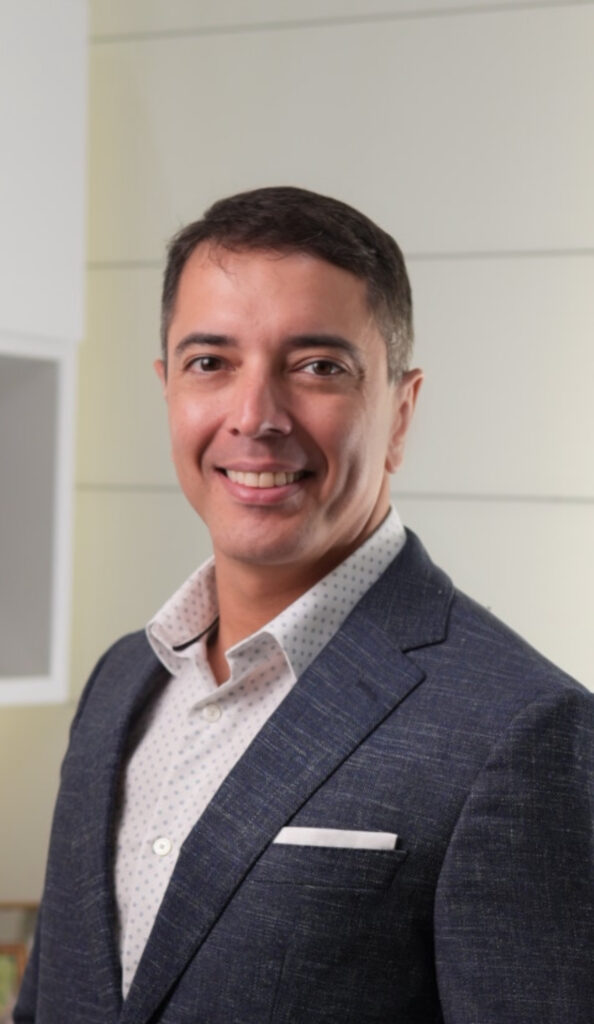
About
DR. JOÃO DANIEL
An ENT surgeon with a Brazilian soul and an eye for natural beauty.
More than a surgeon, Dr. João Daniel is a specialist with two decades spent at the intersection of form and function. His Brazilian ENT training informs a philosophy that handles everything from delicate aesthetic tweaks to full structural reconstructions with the same meticulous care.
To Dr. João, a nose isn’t just a clinical structure-it’s a central part of a person’s story and heritage. His work is characterized by the Brazilian hallmark of “structure with softness,” ensuring that every result ages gracefully and fits the patient’s specific ethnicity and features.
Beyond the operating room, Dr. João is valued for the personal connection he builds with his patients. He manages every case personally and communicates fluently in English, Portuguese, Lithuanian, Spanish, and Italian, ensuring nothing is lost in translation.
Why Choose the Brazilian Style?
Subtle. Artistic. Uniquely Yours.
In the world of aesthetic surgery, the Brazilian approach is legendary. It’s defined by an elegant middle ground: the precision of modern science paired with an artist’s touch. This isn’t about looking like you’ve had “work done.” It’s about highlighting what’s already there.

The Pillars of the Brazilian Style:
- Natural Elegance: Results that don't scream "surgery"
- Harmony Over Hype: Focus on the whole face, not just the nose.
- Cultural Respect: Deep consideration for your unique anatomy and identity.
- Graceful Aging: Contours designed to look good decades from now.
- Personal Connection: A planning process that is as human as it is technical.
Excellence, Experience, and a Distinct Approach
Dr. João Daniel provides a level of care shaped by over twenty years in Brazil’s leading surgical circles. While Europe has no shortage of surgeons, the Brazilian philosophy offers a specific focus on longevity and subtlety. It’s a different way of thinking about beauty.
PROCEDURES
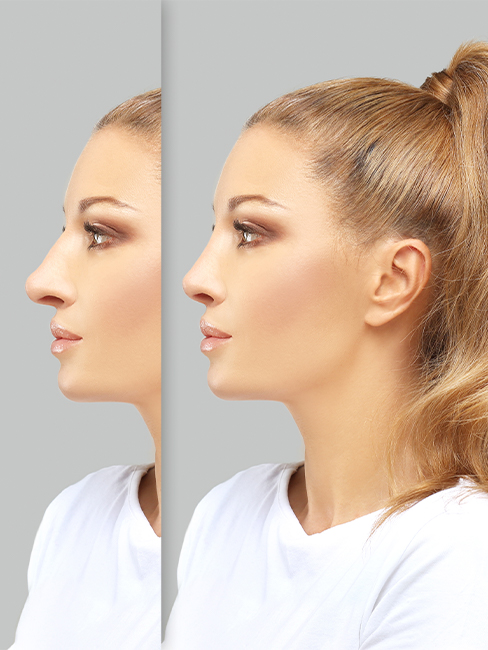

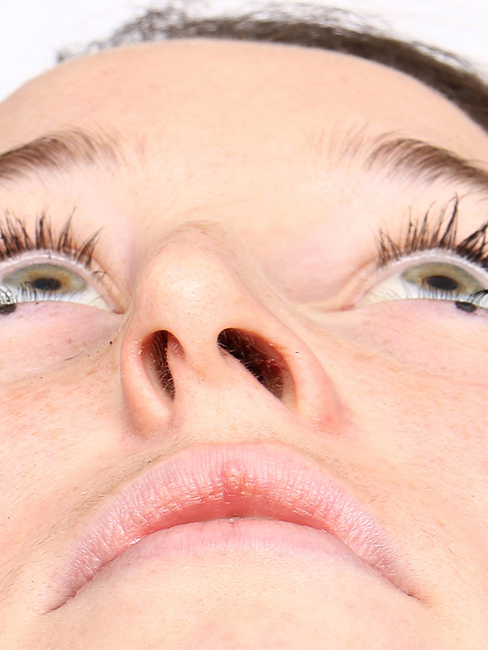
Aesthetic & Functional Rhinoplasty
- Harmony, identity, and breath.
Rhinoplasty is a dual-purpose journey. Dr. João Daniel merges the artistic flair of Brazil with rigorous functional techniques to ensure your results are as breathable as they are beautiful.
- Common Goals: Smoothing humps, defining the tip or correcting asymmetry.
- Functional Needs: Clearing obstructions or repairing trauma.
- The Approach: Usually an "open" technique under general anesthesia, customized to your specific cartilage structure.
- Timeline: Most people are back to work in 10-14 days, with the final, refined shape settling in over 6 to 24 months.
Cartilage Grafting - Ear and Rib
- Support. Structure. Elegance.
For complex cases or revisions, the internal “scaffolding” of the nose often needs reinforcement. When the septum isn’t enough, Dr. João uses cartilage harvested from the ear or rib.
- Ear Cartilage: Perfect for delicate, soft-tissue refinement at the tip.
- Rib Cartilage: The "gold standard" for major structural support and reconstructions.
The Result:
A stable, permanent foundation. It ensures the nose remains defined and prevents it from losing its shape or “sinking” as you age.
The Value of the Long Game
While using cartilage grafts from the ear or rib adds a layer of complexity to the surgery—and requires a higher level of technical effort—the long-term payoff is incomparable. In many cases, skipping these grafts can lead to a nose that looks good initially but lacks the internal “scaffolding” to stay that way. Over the months and years, an unsupported nose is prone to “dropping” or shifting as the tissues heal and gravity takes hold.
By investing the extra time in harvesting and sculpting these natural grafts, we aren’t just aiming for a beautiful result on the day the bandages come off; we are building a structural foundation designed to look natural and stay stable for a lifetime.
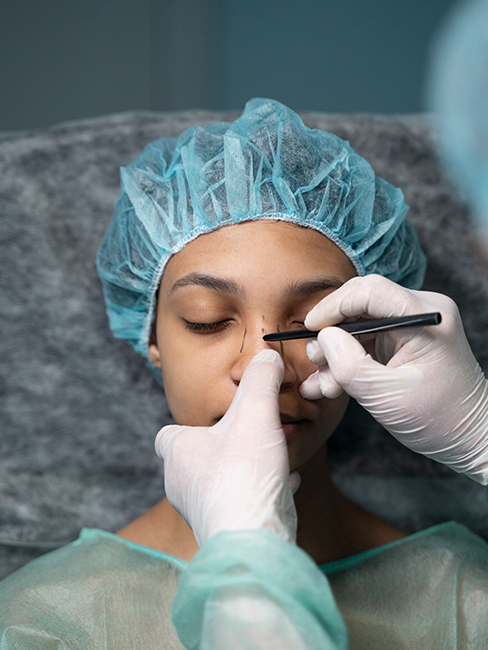
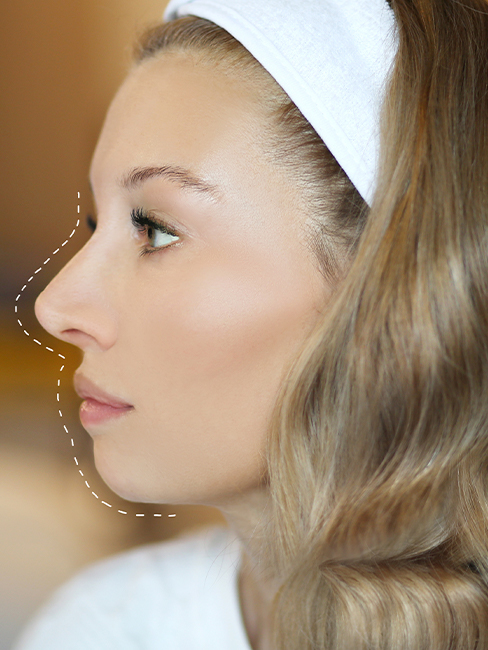
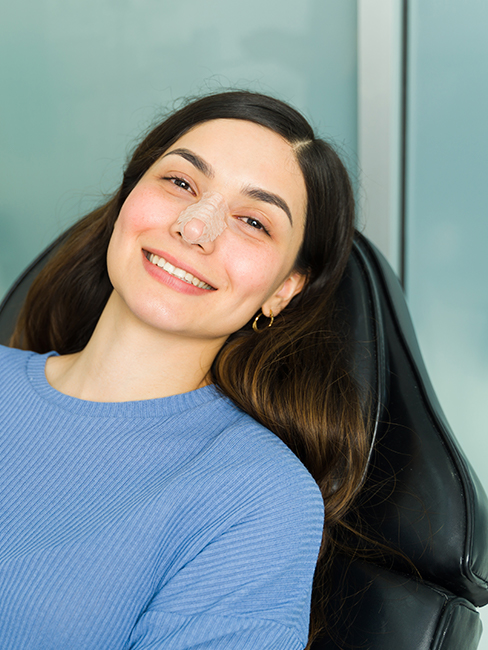
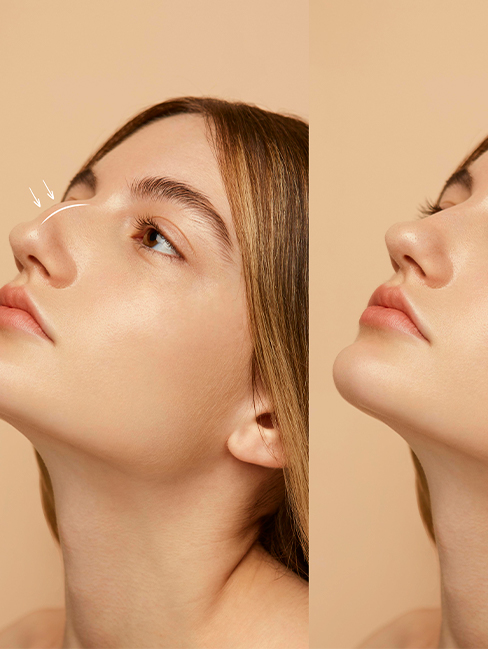

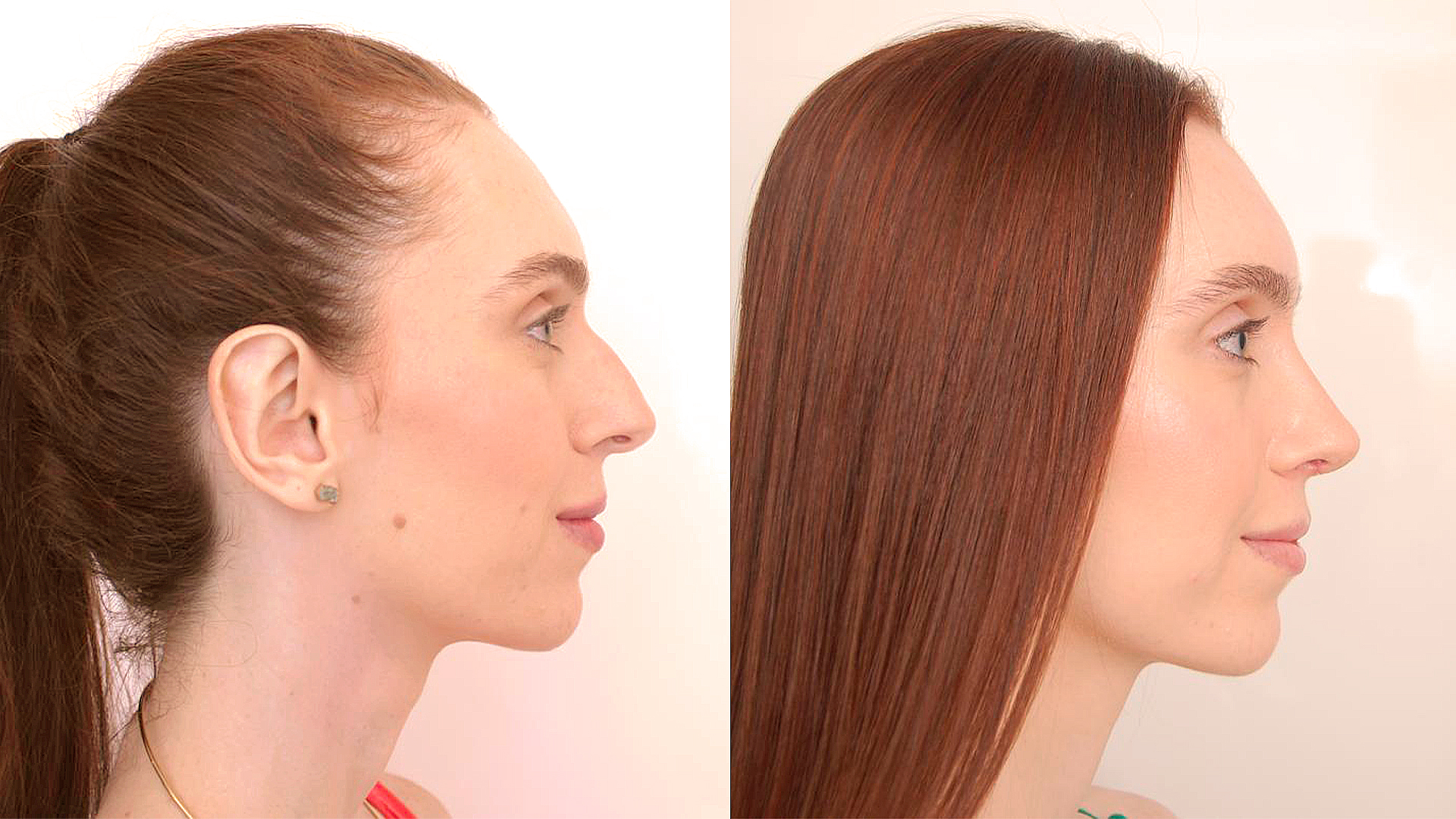
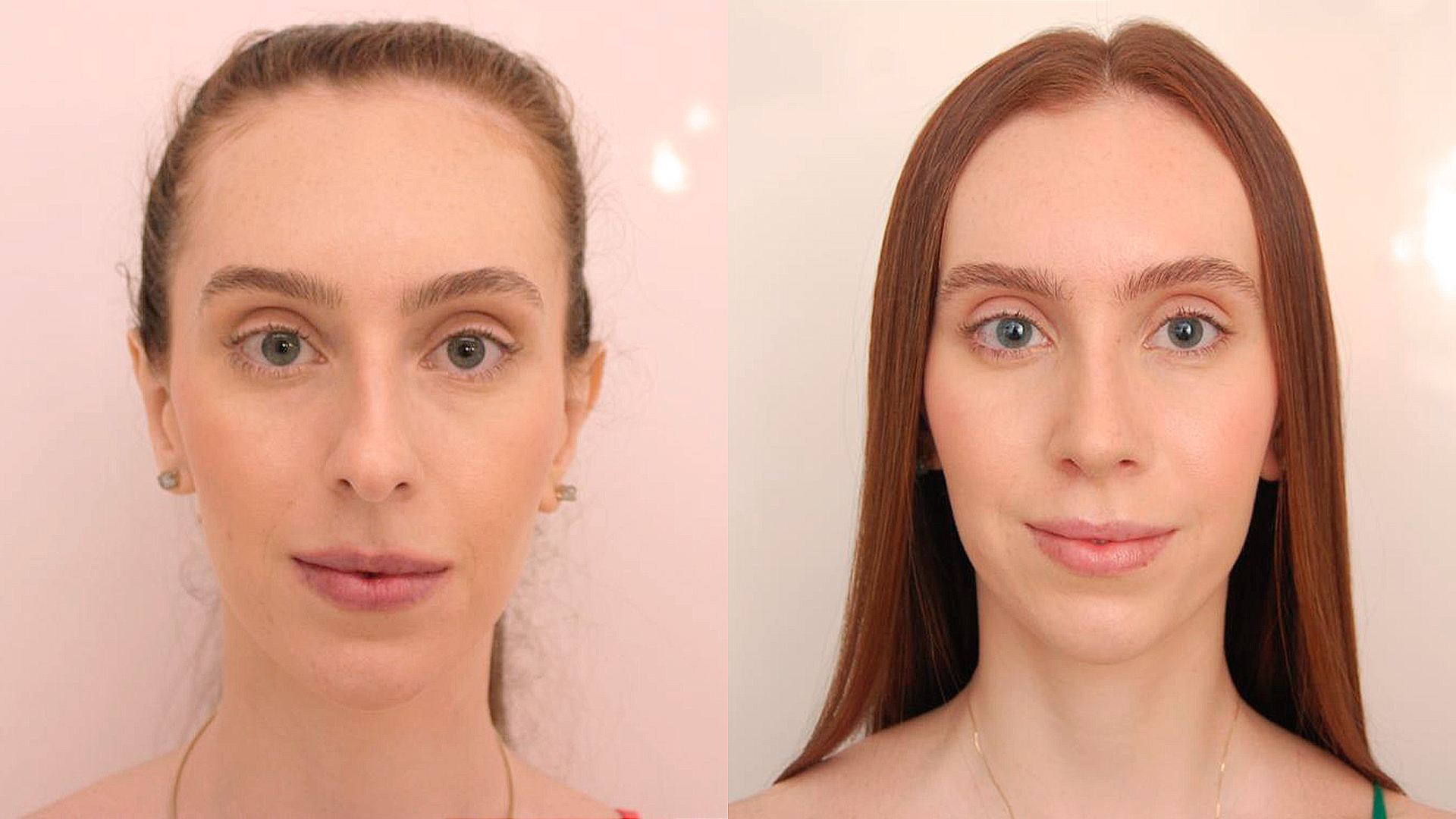
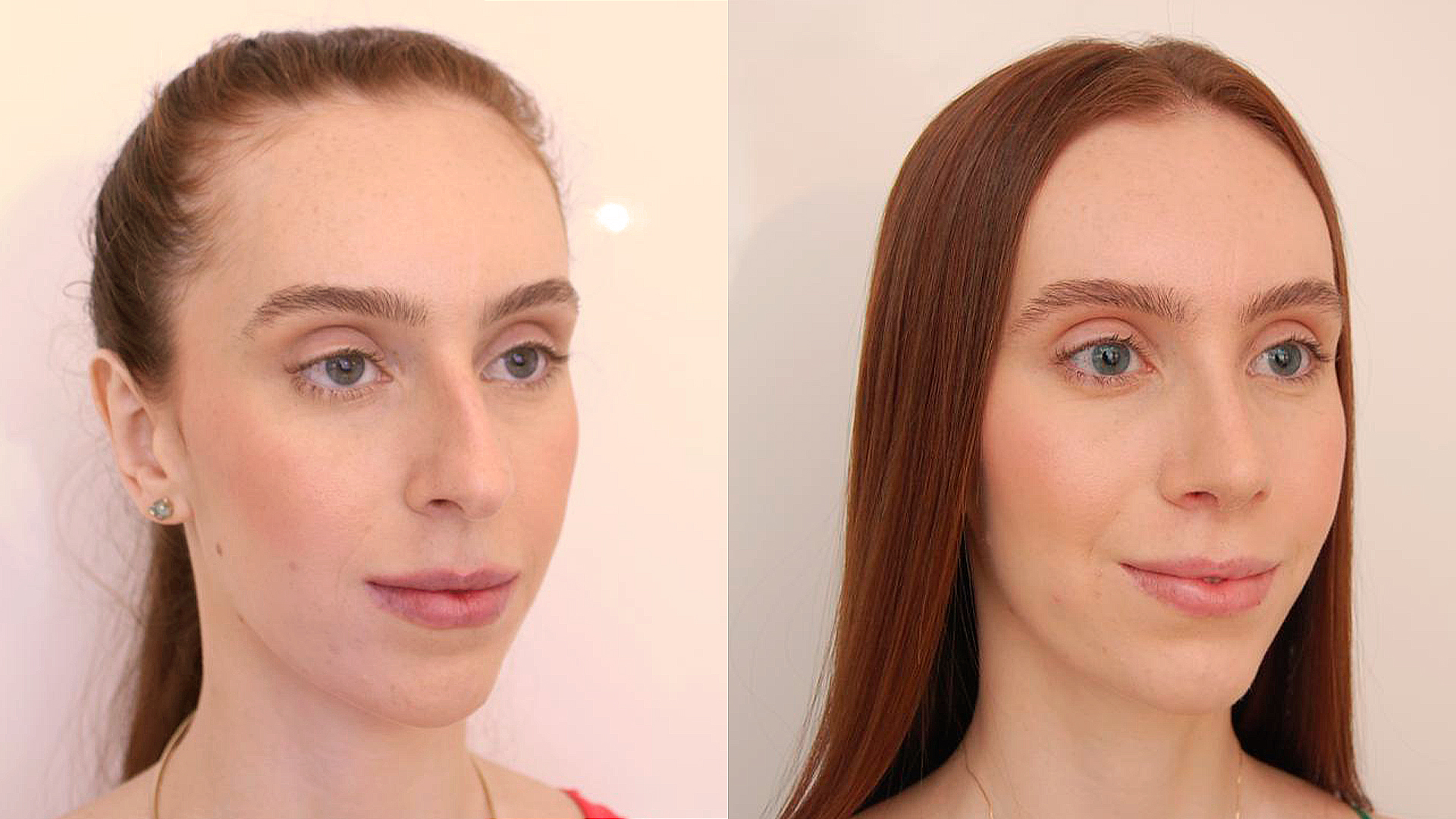
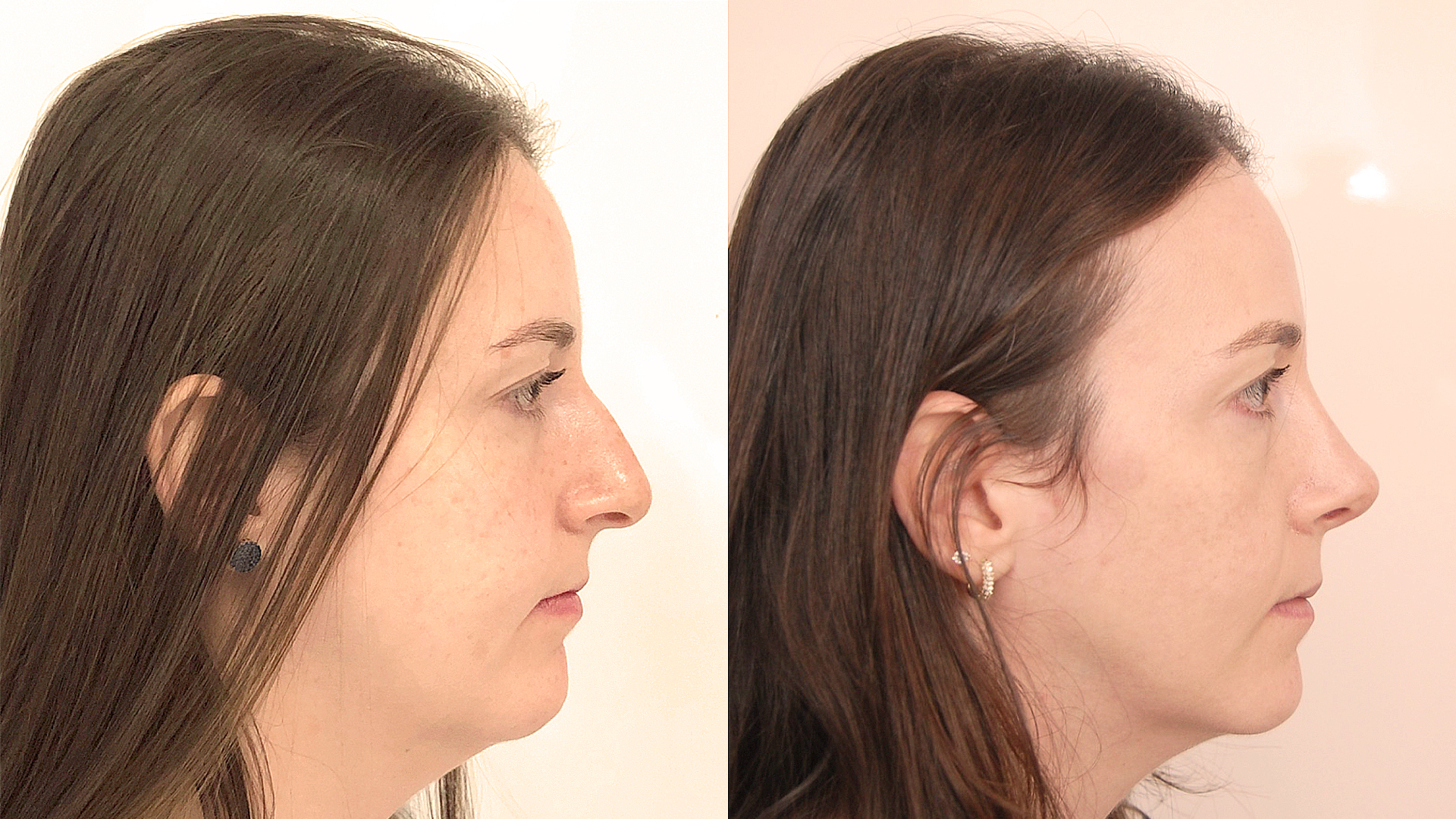
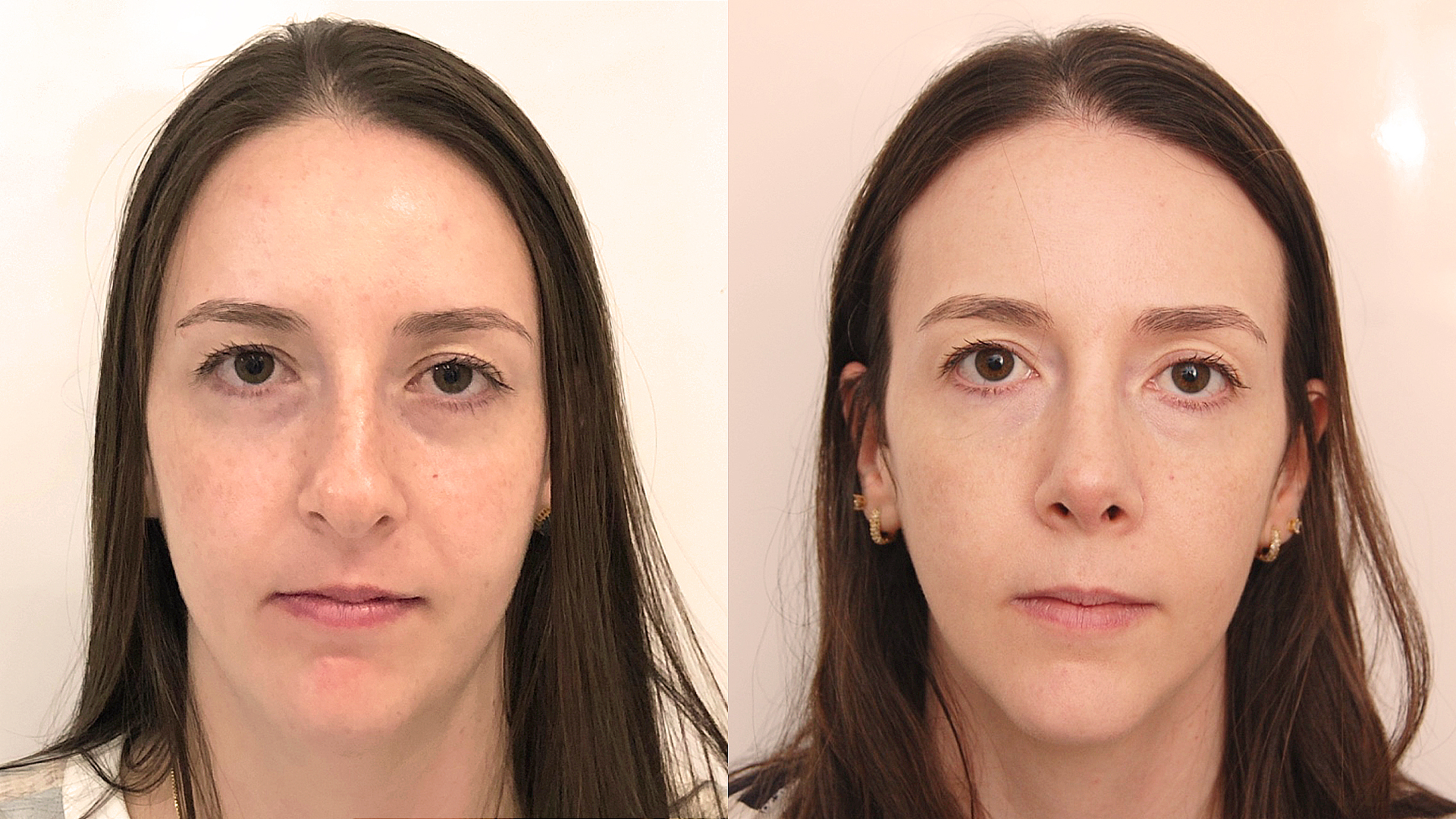
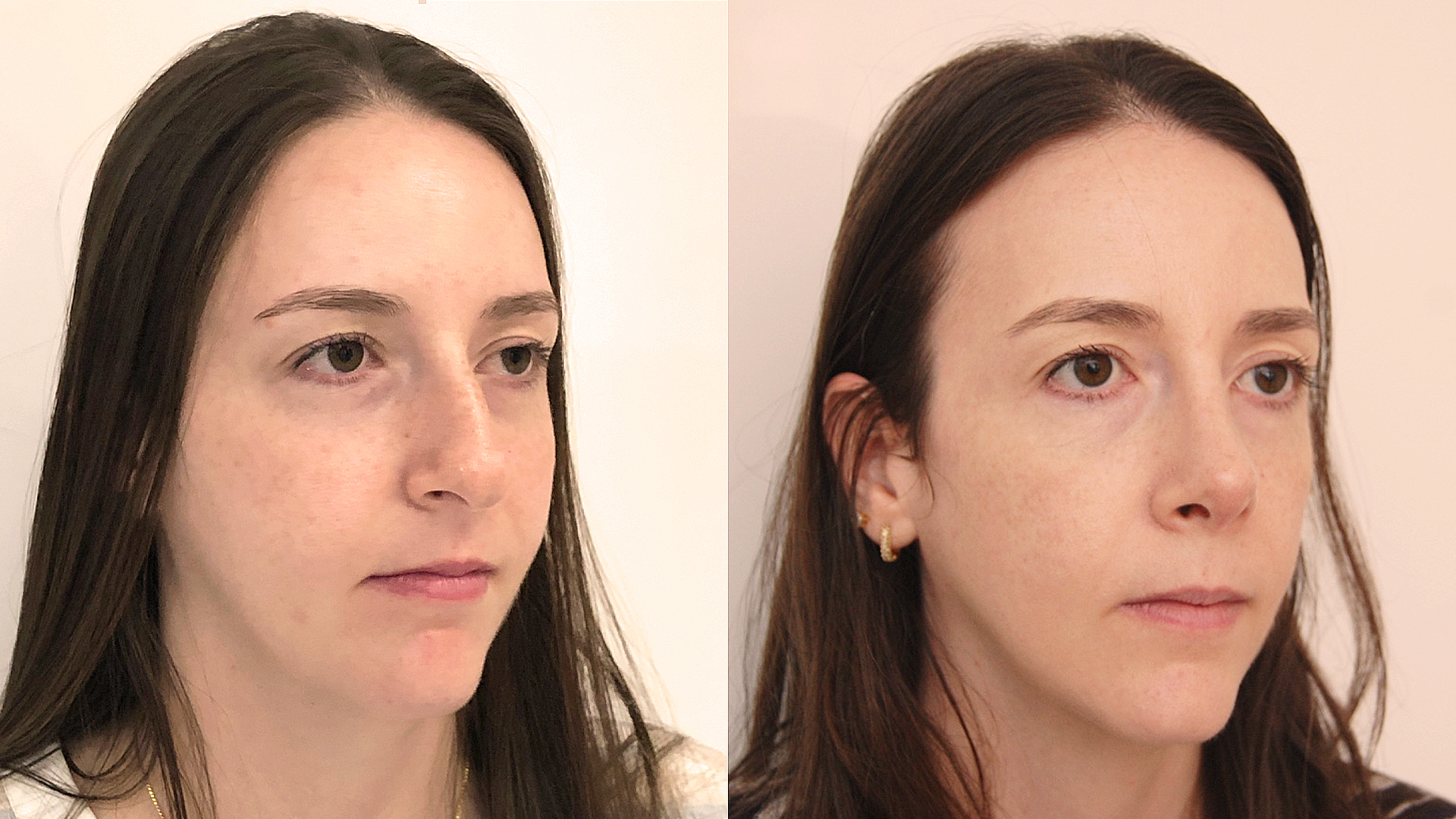
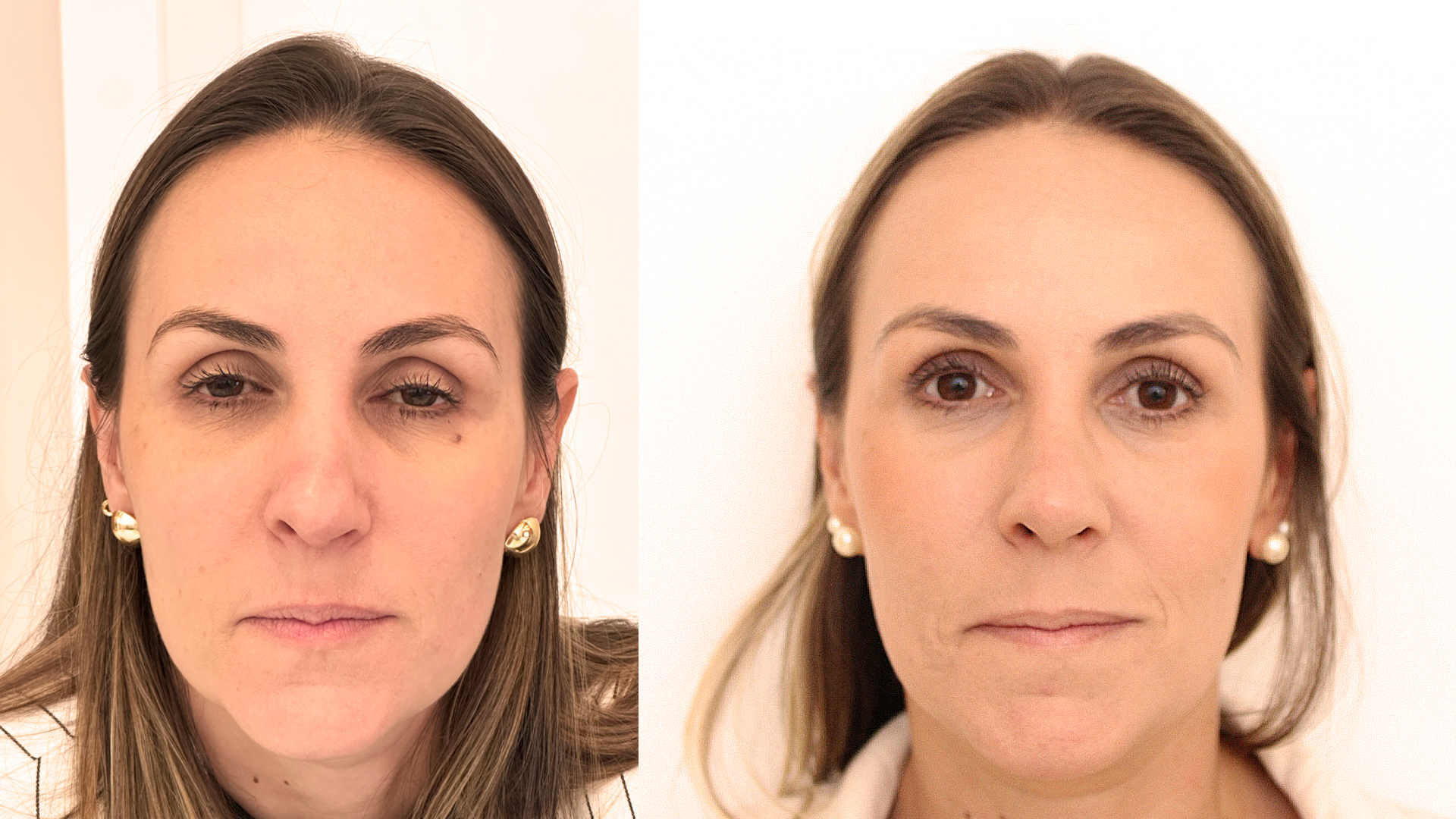
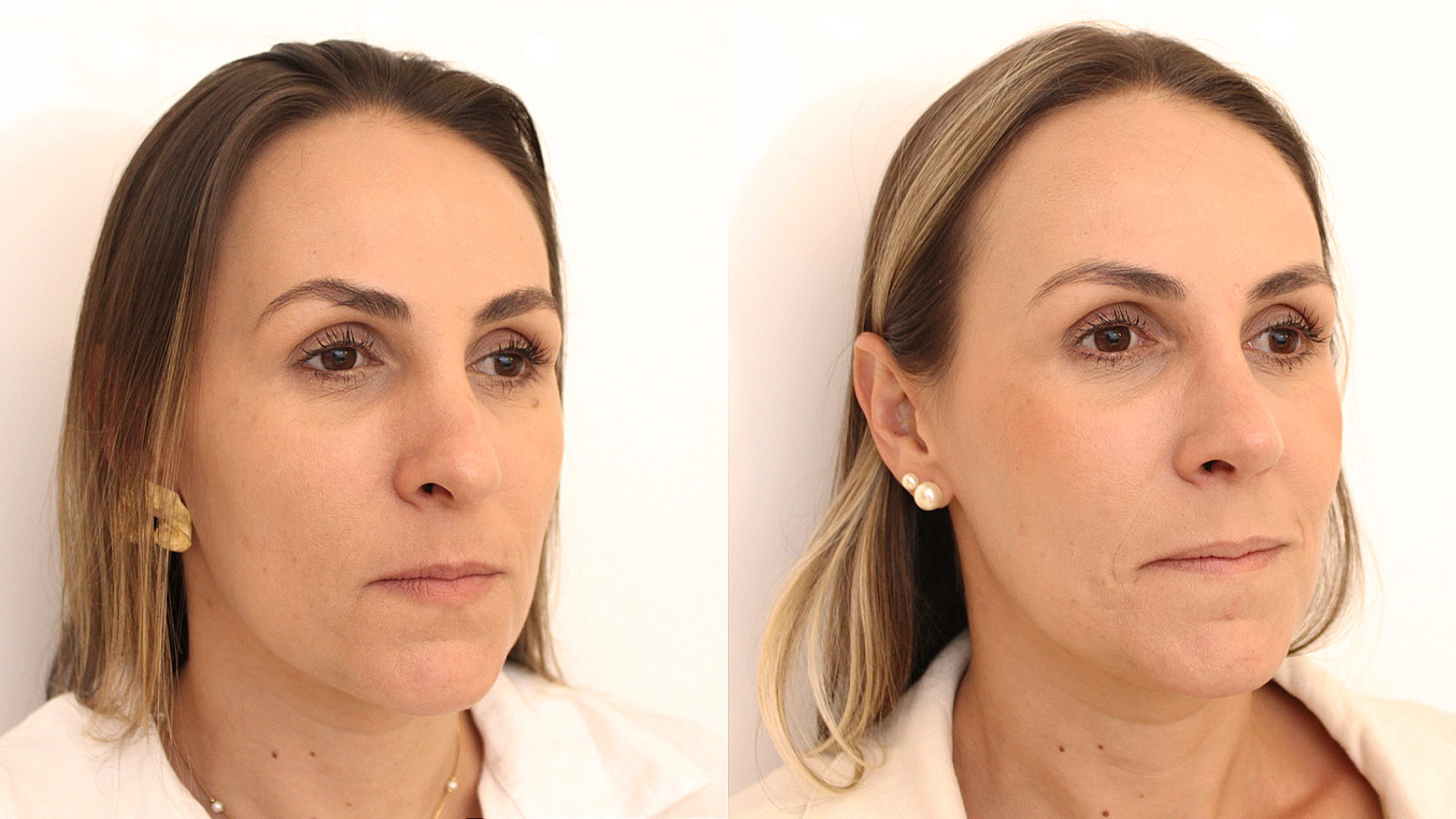
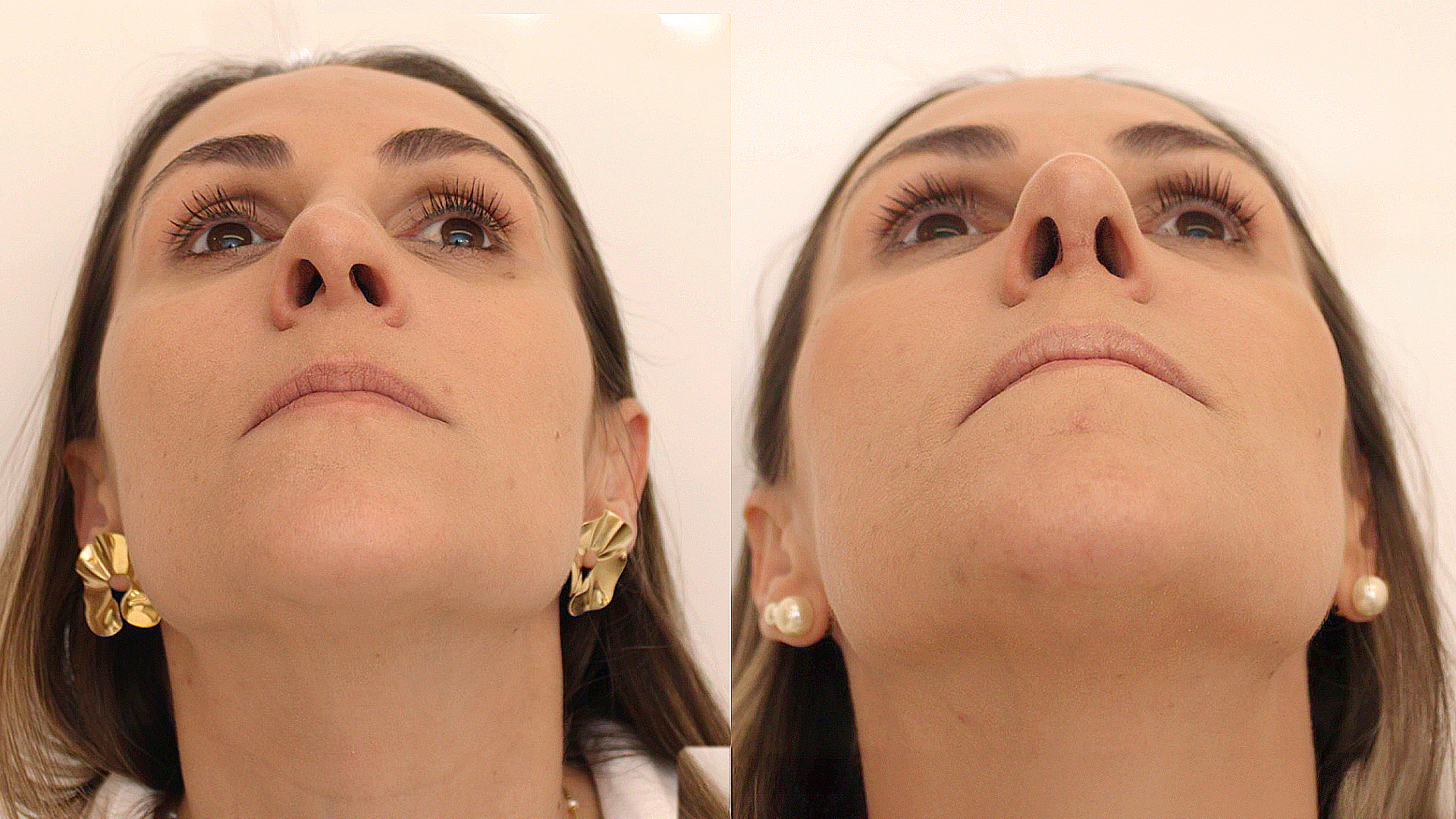
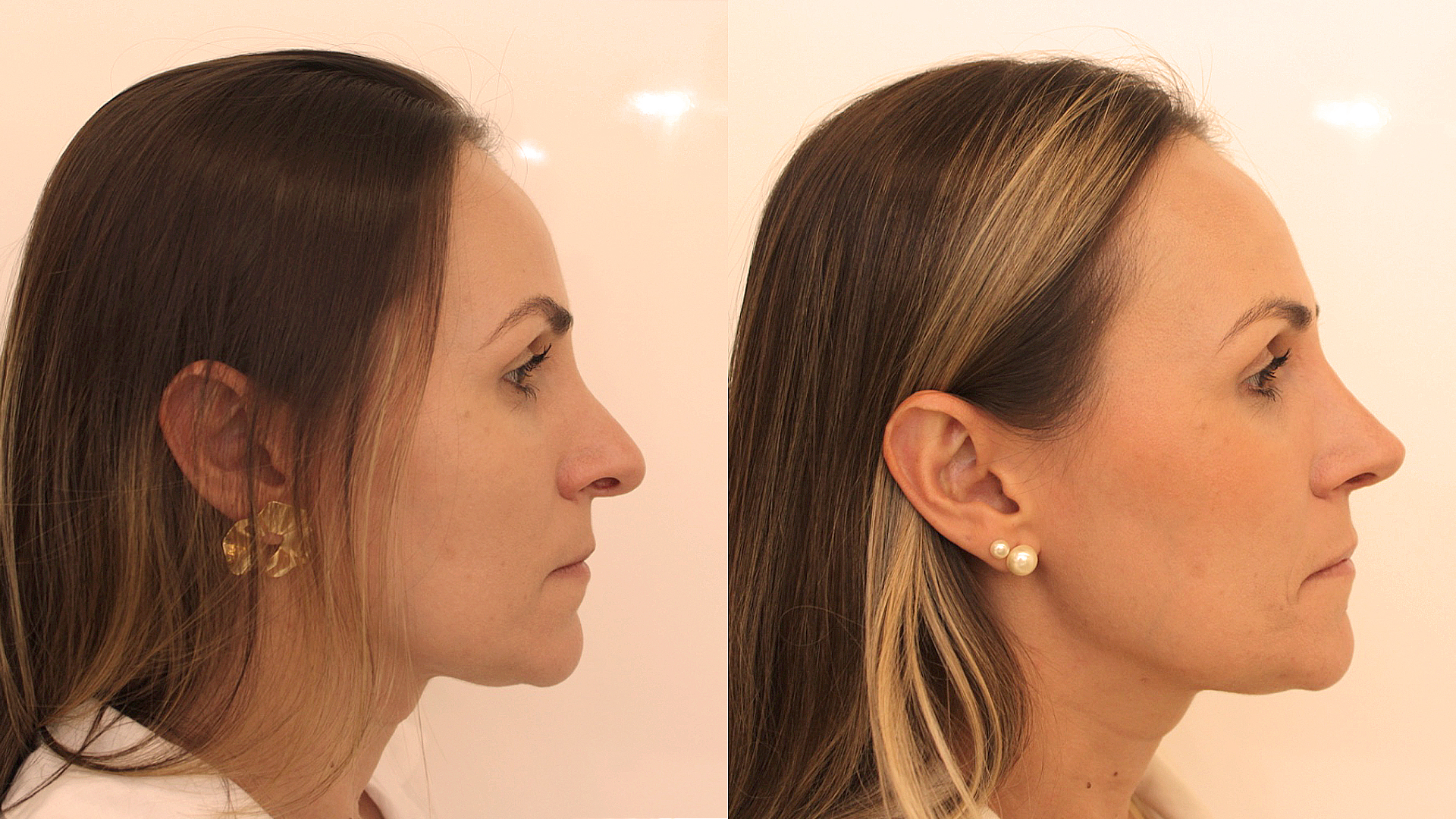
Before & After
- Real Patients. Honest Results.
We don’t believe in templates. Every image here represents a unique person, a unique set of challenges, and a successful collaboration.
- Transparency: All photos are filter-free, unretouched and shared with full consent.
- Our Aesthetic: You’ll notice the changes are meaningful but never exaggerated. The goal is always a more "in-tune" version of the patient.
For International Patients
- Brazilian expertise, European comfort.
Traveling for surgery requires trust. We’ve streamlined the experience for our patients coming from the UK, Scandinavia, and beyond.
- 1. Start Online: Initial consults via video to discuss goals.
- 2. Stay Local: We recommend a 10–14 day stay in Lithuania for proper healing and follow-up.
- 3. Total Support: We help with travel logistics and provide post-op care in five languages.
Interested? Let’s talk.
Reach out via our contact form or WhatsApp. We’ll guide you step by step.



FAQ
Frequently Asked Questions
Yes. Most international patients begin with an online
consultation, where you can share your goals, send photos for
evaluation, and ask questions in a relaxed setting.
We recommend staying for 10 to 14 days. This ensures safe follow-up, suture removal (if needed), and allows you to travel home more comfortably.
Pain is uncommon. Most patients describe mild discomfort, which is well controlled with medication.
Although we don’t use nasal packing, temporary nasal obstruction is expected due to internal swelling, dried blood, and secretions — especially in the first few days.
All rhinoplasty procedures — as well as combined surgeries — are performed under general anesthesia, for maximum safety and comfort.
Yes, but it’s best to fly after your post-operative check — usually 10 to 14 days after surgery.
Yes. Depending on your case, rhinoplasty can be safely combined with facial fat grafting, eyelid surgery, or a facelift.
We ask for basic blood tests, an EKG, and a pre-anesthesia assessment. A complete list will be provided after your consultation.
In most cases, the scar is minimal and nearly invisible — especially when using the open technique, which places the incision in a discreet location between the nostrils.
Testimonials
Each patient’s journey is unique— and we’re honored to be part of it.
Here are a few reflections from those who chose the Brazilian approach in Lithuania:
“I finally feel like my nose matches my face-naturally.”
— Olha, Ukraine
“The communication was easy… I felt supported the whole time.”
— Yulia, Ukraine
“My severely deformed cleft nose finally got fixed and is stable over the time.“
— Marius, Vilnius
We’re here for you.
If you have questions or would like to schedule a consultation,
feel free to reach out.
We respond quickly and personally — in your language.
Contact:
- WhatsApp / Viber: +370 600 87032
- Email: info@drgrybauskas.com
Working Hours:
Monday to Friday — 8:00 to 20:00
Clinic Address:
S’OS Klinika – Vytenio g. 22 / Naugarduko g. 41 – Vilnius 03229, Lithuania
Reception speaks: Lithuanian, English, Russian